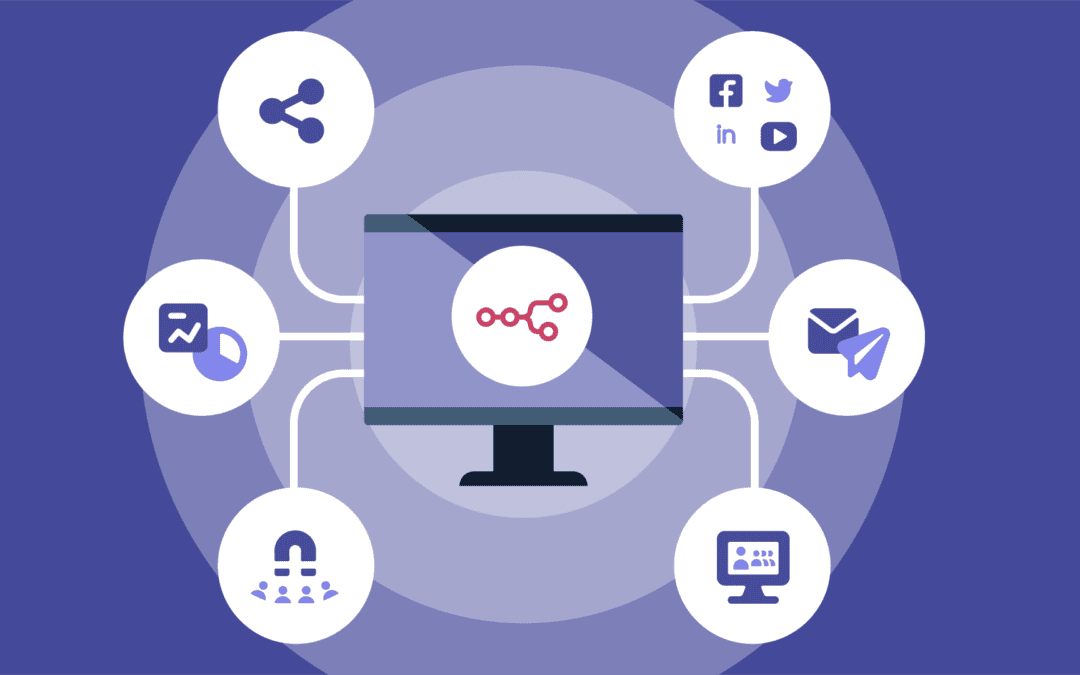
Streamlining Operations through Salesforce Implementation Services
In today’s competitive business landscape, companies need agile, efficient, and adaptable operations to stay ahead. Salesforce, as a leading Customer Relationship Management (CRM) platform, provides powerful tools to optimize these processes. However, implementing Salesforce requires expertise, which is where Salesforce Implementation Services come into play. These services help businesses integrate, customize, and maximize their Salesforce environment to streamline operations across departments like sales, marketing, customer service, and finance.
What Are Salesforce Implementation Services?
Salesforce Implementation Services encompass a wide range of professional support provided by certified Salesforce experts. These services typically include:
Initial Consultation and Needs Assessment: Understanding the company’s specific needs and business goals.
Customization and Configuration: Tailoring Salesforce to fit the organization’s unique processes.
Data Migration: Transferring existing data from legacy systems to Salesforce.
Integration: Connecting Salesforce with other enterprise systems like ERP, HR, or accounting platforms.
Training and User Adoption: Educating staff to ensure smooth transition and efficient use.
Ongoing Support and Optimization: Regular reviews, updates, and fine-tuning to ensure the platform remains aligned with business growth.
These services enable businesses to maximize the full potential of Salesforce, ensuring a faster return on investment (ROI) and smoother daily operations.
Key Benefits of Streamlining Operations with Salesforce Implementation
Increased Efficiency Across Departments
Salesforce centralizes customer data and interactions, enabling different departments (sales, marketing, customer service) to collaborate seamlessly. Implementation services help create a unified, automated system that minimizes manual tasks, reduces errors, and accelerates workflows. For example, integrating Salesforce with an existing ERP system can automate billing, order processing, and inventory management, resulting in faster operations and reduced redundancy.
Custom Solutions for Unique Business Needs
No two businesses are the same. Salesforce’s flexibility allows it to be customized to fit specific operational needs. Implementation specialists help design workflows, custom objects, and automation tailored to the company’s structure. For instance, a healthcare company might need a HIPAA-compliant solution with unique data privacy features, while a retail company might require advanced inventory and order tracking systems. Customizing Salesforce ensures that the system works in harmony with the business’s existing structure, processes, and goals.
Improved Customer Service and Experience
A well-implemented Salesforce system improves customer service by offering a 360-degree view of customer interactions. Salesforce Implementation Services ensure seamless integration of customer communication channels like email, social media, and webchat, providing customer service teams with immediate access to vital information. This leads to faster issue resolution, improved response times, and personalized experiences, all of which contribute to increased customer satisfaction and loyalty.
Enhanced Data Analytics and Decision-Making
Salesforce’s built-in analytics tools offer valuable insights into customer behavior, sales performance, and market trends. Through Salesforce Implementation Services, companies can tailor dashboards and reports to highlight key performance indicators (KPIs) specific to their business. These data-driven insights enable better decision-making, from optimizing marketing campaigns to predicting customer needs. Regular analysis of these insights helps companies stay competitive and adapt to changing market conditions.
Streamlined Sales Processes
Salesforce automates many manual sales tasks such as lead management, follow-up reminders, and opportunity tracking. Salesforce Implementation Services ensure that these processes are configured to fit the company’s unique sales cycle. Sales teams can access real-time data, generate accurate forecasts, and track deals more efficiently. Automated workflows, such as approval processes or contract management, can also be configured to speed up the sales cycle, ultimately improving conversion rates and driving revenue growth.
Integration with Third-Party Tools
Businesses often rely on multiple tools and systems to manage various aspects of their operations. Salesforce can be integrated with third-party applications such as accounting software, email marketing platforms, or human resources management systems. Salesforce Implementation Services ensure smooth integration with these external tools, creating a cohesive ecosystem where data flows seamlessly. For instance, integrating Salesforce with Mailchimp allows marketers to manage campaigns directly from Salesforce while tracking customer engagement in real-time.
Better Compliance and Security
In industries such as healthcare, finance, or legal, compliance with industry regulations is paramount. Salesforce Implementation Services help businesses ensure that their CRM platform complies with all relevant regulations, such as GDPR or HIPAA. Implementation experts can also set up role-based access controls, ensuring that sensitive data is protected while maintaining the flexibility needed for daily operations. Regular audits and updates provided by implementation teams further enhance the security and compliance of the system.
Enhanced Scalability for Business Growth
As businesses grow, their operational needs evolve. Salesforce is highly scalable, allowing companies to add new features, users, and integrations as needed. With Salesforce Implementation Services, businesses can easily adapt their CRM to accommodate new markets, products, or services. These services also ensure that as the company scales, the system continues to run efficiently without disruptions. This scalability allows businesses to future-proof their operations, ensuring that Salesforce remains a vital tool for growth and success.
Why Invest in Salesforce Implementation Services?
While Salesforce is powerful out-of-the-box, its full potential is realized through expert implementation. Salesforce Implementation Services offer specialized knowledge and experience, reducing the risk of errors during setup, and accelerating the adoption of the platform across the organization.
Cost Savings: Implementing Salesforce without professional help can lead to costly mistakes. Implementation services reduce the risk of incorrect configurations and minimize the time spent troubleshooting issues.
Faster ROI: With proper setup and configuration, businesses see a quicker return on investment as processes are streamlined and efficiency increases.
Expert Guidance: Certified Salesforce professionals provide the expertise needed to align Salesforce with the company’s strategic goals, ensuring it delivers maximum value.
Salesforce Implementation Services are essential for businesses looking to streamline their operations, improve efficiency, and maximize ROI from their Salesforce investment. By leveraging these services, businesses can ensure that their CRM is tailored to their unique needs, integrated with other systems, and optimized for ongoing performance. Whether it’s improving customer service, automating sales processes, or enhancing data-driven decision-making, Salesforce Implementation Services provide the foundation for operational success.
Unlock Greater Value from Your CRM Investment through Expert Management and Optimization
In the digital age, businesses are investing heavily in Customer Relationship Management (CRM) platforms like Salesforce to streamline operations, enhance customer experiences, and drive revenue growth. However, merely implementing Salesforce isn’t enough to guarantee a significant return on investment (ROI). To truly maximize the benefits and see tangible results, businesses need to ensure their Salesforce environment is expertly managed and continuously optimized. This is where Salesforce Managed Services come into play.
Understanding ROI in Salesforce Investments
ROI is a critical metric that measures the efficiency and profitability of an investment. For Salesforce implementations, ROI isn’t just about the initial setup costs but also about the ongoing value derived from the platform. Factors influencing ROI include:
User Adoption Rates: Higher adoption leads to better data and more effective processes.
System Optimization: Regular updates and customizations enhance functionality.
Operational Efficiency: Streamlined processes reduce costs and improve productivity.
Data Quality: Accurate data leads to better decision-making and customer insights.
Challenges in Maximizing Salesforce ROI
Despite the potential benefits, many businesses face challenges that hinder them from realizing the full ROI from their Salesforce investment:
Lack of Expertise: Without specialized knowledge, businesses may not utilize all features effectively.
Low User Adoption: Employees may resist change or lack training, leading to underutilization.
Inefficient Processes: Poorly configured workflows can negate efficiency gains.
Data Silos: Inadequate integration with other systems leads to fragmented data.
How Salesforce Managed Services Enhance ROI
Salesforce Managed Services provide a strategic approach to overcoming these challenges by offering expert management and continuous optimization of your Salesforce environment. Here’s how they help maximize ROI:
1. Expert Configuration and Customization
Tailored Solutions: Customize Salesforce to fit specific business processes, ensuring maximum efficiency.
Advanced Features Utilization: Leverage sophisticated Salesforce capabilities like AI-powered analytics and automation.
2. Improved User Adoption
Comprehensive Training: Equip your team with the knowledge to use Salesforce effectively.
Change Management: Implement strategies to encourage acceptance and enthusiasm among users.
3. Enhanced Operational Efficiency
Process Automation: Automate routine tasks to reduce manual effort and errors.
Workflow Optimization: Streamline business processes for faster turnaround times.
4. Seamless Integrations
System Connectivity: Integrate Salesforce with other enterprise systems (ERP, marketing tools, etc.) for unified data access.
API Management: Efficient handling of APIs ensures reliable data exchange.
5. Data Management and Quality
Data Cleansing: Regularly clean and update data to maintain accuracy.
Data Governance: Implement policies to ensure data consistency and compliance.
6. Proactive Maintenance and Support
Regular Updates: Stay ahead with the latest Salesforce releases and features.
24/7 Support: Access to immediate assistance reduces downtime and resolves issues promptly.
Key Benefits of Salesforce Managed Services for ROI
Cost Savings
Reduced Overhead: Lower costs by eliminating the need for a full-time, in-house Salesforce team.
Predictable Expenses: Flexible pricing models help in budgeting and financial planning.
Strategic Focus
Core Business Priorities: Free up internal resources to focus on strategic initiatives rather than system management.
Expert Guidance: Benefit from strategic advice to align Salesforce capabilities with business goals.
Risk Mitigation
Compliance Assurance: Stay compliant with industry regulations, avoiding potential fines.
Security Enhancement: Protect against data breaches with robust security measures.
Real-World Impact: Success Stories
Choosing the Right Salesforce Managed Services Partner
To truly maximize ROI, selecting the right partner is crucial. Here’s why OhanaOne stands out:
Industry Experience: We have a proven track record across various industries, understanding unique business challenges.
2. Customized Approach
Personalized Solutions: We don’t believe in one-size-fits-all. Our services are tailored to your specific needs.
Collaborative Strategy: We work closely with your team to align Salesforce capabilities with your business objectives.
3. Comprehensive Services
End-to-End Management: From initial setup to ongoing maintenance, we’ve got you covered.
Flexible Engagement Models: Choose the level of support that fits your business and budget.
4. Commitment to Success
Proactive Support: We anticipate issues before they become problems, ensuring uninterrupted operations.
Continuous Improvement: Regular reviews and optimizations keep your Salesforce environment performing at its best.
Maximizing ROI: Best Practices
Invest in User Training
Regular Training Sessions: Keep users updated on new features and best practices.
User Feedback Loops: Encourage feedback to identify areas for improvement.
Leverage Advanced Analytics
Dashboards and Reports: Utilize Salesforce’s analytical tools for insights into sales performance, customer behavior, and market trends.
Predictive Analytics: Use AI-driven insights to forecast sales and identify opportunities.
Continuous Optimization
Regular Audits: Assess system performance and user satisfaction periodically.
Stay Updated: Implement new Salesforce features that can enhance productivity and efficiency.
Align Salesforce with Business Goals
Strategic Planning: Ensure Salesforce configurations support your overall business strategy.
Goal Tracking: Use Salesforce to set, monitor, and achieve business objectives.
Frequently Asked Questions (FAQs)
Q1: How quickly can I expect to see ROI improvements with Managed Services?
A: While timelines can vary, many clients begin to see improvements in efficiency and productivity within the first few months, leading to a positive impact on ROI.
Q2: Is Salesforce Managed Services suitable for small businesses?
A: Absolutely. Managed Services can be scaled to fit businesses of all sizes, providing small businesses with access to expertise that might otherwise be out of reach.
Q3: Can Managed Services assist with Salesforce upgrades and new feature implementations?
A: Yes, Managed Services include keeping your Salesforce environment up-to-date with the latest releases and features, ensuring you always leverage the best tools available.
Q4: How do Managed Services improve data security?
A: Managed Services providers implement robust security protocols, conduct regular security audits, and ensure compliance with data protection regulations to safeguard your information.
Q5: What kind of support can I expect outside of regular business hours?
A: At OhanaOne, we offer 24/7 support to address any issues promptly, minimizing downtime and keeping your operations running smoothly.
Take the Next Step Towards Maximizing Your ROI
Investing in Salesforce is a significant step towards digital transformation and business growth. However, to unlock its full potential and achieve the highest ROI, expert management and continuous optimization are essential.
With OhanaOne’s Salesforce Managed Services, you gain a trusted partner dedicated to enhancing your Salesforce environment and aligning it with your business goals. Our expertise ensures you not only get the most out of your investment but also position your business for sustained success.
Ready to Maximize Your Salesforce ROI?
Let us help you transform your Salesforce platform into a powerful engine for growth and efficiency.
Contact OhanaOne today to schedule a free consultation and discover how our Salesforce Managed Services can elevate your business.
In today’s fast-paced business environment, leveraging cutting-edge technology is essential for maintaining a competitive edge. Salesforce, a leading Customer Relationship Management (CRM) platform, empowers businesses to streamline operations, enhance customer interactions, and drive revenue growth. However, to fully capitalize on Salesforce’s capabilities, continuous management and optimization are crucial. This is where Salesforce Managed Services come into play.
What Are Salesforce Managed Services?
Salesforce Managed Services involve partnering with specialized experts who handle the end-to-end management, maintenance, and enhancement of your Salesforce platform. This strategic approach ensures your CRM system remains:
Up-to-date with the latest features and updates.
Secure against potential threats and vulnerabilities.
Aligned with your evolving business objectives.
By entrusting your Salesforce operations to seasoned professionals, you can focus on core business activities while enjoying a robust, efficient, and scalable CRM solution.
Key Components of Salesforce Managed Services
1. Proactive System Monitoring
Continuous monitoring of your Salesforce environment helps identify and address issues before they impact your operations. This includes tracking system performance, user activity, and data integrity.
2. Customization and Development
Tailoring Salesforce to fit your unique business processes enhances efficiency. Managed Services offer:
Custom App Development: Building bespoke applications within Salesforce to meet specific needs.
Workflow Automation: Streamlining repetitive tasks through automation.
Integration Services: Seamlessly connecting Salesforce with other business systems (ERP, marketing automation tools, etc.).
3. Data Management
Maintaining high-quality data is essential for accurate reporting and decision-making. Services include:
Data Cleansing: Removing duplicates and correcting inaccuracies.
Data Migration: Securely transferring data from legacy systems to Salesforce.
Data Backup and Recovery: Protecting against data loss with regular backups.
4. Security and Compliance
Ensuring your Salesforce instance complies with industry regulations (like GDPR, HIPAA) and implementing robust security measures to protect sensitive information.
5. User Training and Support
Empowering your team through:
Training Programs: Facilitating user adoption and proficiency.
Helpdesk Support: Providing assistance for technical issues or queries.
Benefits of Salesforce Managed Services
Cost Efficiency
Reduce Overhead Costs: Eliminate expenses associated with hiring, training, and retaining an in-house team.
Flexible Pricing Models: Pay only for the services you need, whether it’s full management or specific support areas.
Access to Expertise
Certified Professionals: Benefit from the knowledge of Salesforce-certified experts.
Latest Best Practices: Stay ahead with professionals who are up-to-date with Salesforce innovations and industry trends.
Scalability and Flexibility
Adaptable Services: Scale services up or down based on your business needs.
Rapid Implementation: Quickly deploy new features or integrations without lengthy development cycles.
Enhanced Security and Compliance
Regular Audits: Conduct security assessments to identify and mitigate risks.
Compliance Management: Ensure adherence to legal and regulatory standards relevant to your industry.
Continuous Optimization
Performance Tuning: Optimize system performance for faster operations.
Feature Enhancement: Regularly update and enhance functionalities to leverage new Salesforce features.
Challenges Addressed by Salesforce Managed Services
Complex Integrations
Integrating Salesforce with other systems can be complex. Managed Services provide:
Seamless Integration: Connect Salesforce with ERP, marketing automation, or other third-party applications.
API Management: Efficient handling of Application Programming Interfaces for smooth data exchange.
Low User Adoption Rates
Customized Training: Tailored training sessions to meet the needs of different user groups.
User Engagement Strategies: Techniques to encourage consistent use and highlight the benefits to end-users.
Data Overload and Management
Data Strategy Development: Creating a roadmap for data usage, storage, and governance.
Advanced Analytics: Utilizing Salesforce’s analytical tools to turn data into actionable insights.
Keeping Up with Updates
Release Management: Handling Salesforce’s triannual updates to ensure compatibility and leverage new features.
Change Management: Preparing your organization for system changes to minimize disruptions.
Why Choose OhanaOne for Salesforce Managed Services?
At OhanaOne, we are committed to helping businesses unlock the full potential of Salesforce through our comprehensive Managed Services.
Our Unique Value Proposition
Client-Centric Approach: We prioritize understanding your business goals to tailor our services accordingly.
Experienced Team: Our team comprises seasoned Salesforce consultants, developers, and administrators.
Proven Track Record: A history of successful implementations across various industries.
Services We Offer
Full-Service Management: End-to-end management of your Salesforce environment.
Consulting and Strategy: Advising on best practices and strategic alignment.
Custom Development: Building custom solutions to extend Salesforce functionalities.
Integration Expertise: Connecting Salesforce with other enterprise systems for a unified IT ecosystem.
How Salesforce Managed Services Boost Business Efficiency
Streamlined Business Processes
Automation: Reduce manual tasks through automation, freeing up staff for strategic initiatives.
Standardization: Implement consistent processes across departments for better coordination.
Improved Collaboration
Shared Insights: Enable teams to access the same data and customer information, enhancing collaboration.
Chatter Integration: Utilize Salesforce’s Chatter for internal communication and knowledge sharing.
Enhanced Customer Engagement
Personalization: Use customer data to tailor interactions and marketing efforts.
Multichannel Support: Engage customers across various channels (email, social media, phone) seamlessly.
Data-Driven Decision Making
Real-Time Analytics: Access up-to-date reports and dashboards for informed decisions.
Forecasting Tools: Utilize predictive analytics to anticipate market trends and customer needs.
Frequently Asked Questions (FAQs)
Q1: How do Salesforce Managed Services differ from traditional IT support?
A: Salesforce Managed Services offer a proactive, strategic partnership focused on continuous improvement and alignment with business goals, whereas traditional IT support is often reactive, addressing issues as they arise without a strategic framework.
Q2: Can Managed Services be customized to fit our specific needs?
A: Yes, Managed Services are highly customizable. At OhanaOne, we tailor our services to meet the unique requirements of your business, whether you need full management or support in specific areas.
Q3: What is the onboarding process like with OhanaOne?
A: Our onboarding process involves:
Assessment: Understanding your current Salesforce setup and business objectives.
Strategy Development: Crafting a customized plan aligned with your goals.
Implementation: Executing the plan with minimal disruption to your operations.
Ongoing Support: Providing continuous support and optimization.
Q4: How do you ensure data security and compliance?
A: We implement industry-standard security protocols, conduct regular security audits, and stay updated on regulatory changes to ensure your Salesforce environment is secure and compliant.
Q5: Is there a long-term contract required for Managed Services?
A: We offer flexible engagement models, including month-to-month services and long-term contracts, depending on your preferences and needs.
Getting Started with OhanaOne
Investing in Salesforce Managed Services is a strategic move towards achieving sustainable business growth. With OhanaOne as your partner, you gain:
Expertise: A team dedicated to maximizing your Salesforce investment.
Peace of Mind: Assurance that your CRM system is in capable hands.
Competitive Advantage: Enhanced capabilities to outperform competitors.
Take the Next Step
Ready to transform your business operations and customer relationships?
Contact us today to schedule a free consultation. Let’s explore how OhanaOne’s Salesforce Managed Services can drive your business forward.
Implementing Salesforce can be a transformative step for any business, offering powerful tools to manage customer relationships and drive growth. However, the road to successful Salesforce implementation is not without its challenges. From technical hurdles to user adoption issues, navigating these obstacles is crucial to unlocking the full potential of Salesforce. Here’s how to overcome the most common challenges in Salesforce implementation.
Defining Clear Objectives One of the first challenges businesses face is the lack of clear objectives. Without a well-defined plan, it’s easy to lose direction and miss out on key functionalities.
Solution: Start by outlining your business goals and how Salesforce can help achieve them. Set specific, measurable objectives to guide the implementation process. This clarity will keep your project focused and aligned with your overall strategy.
Ensuring Data Quality Data is the backbone of any CRM, and poor data quality can undermine your Salesforce implementation. Inconsistent, outdated, or duplicate data can lead to inaccurate insights and decision-making.
Solution: Conduct a thorough data audit before migrating to Salesforce. Cleanse and standardize your data to ensure accuracy. Implement data governance policies to maintain data quality over time.
Managing Change and User Adoption Even the best technology is only as effective as its users. Resistance to change and poor user adoption are common stumbling blocks.
Solution: Engage users early in the process. Provide comprehensive training and resources to help them understand the benefits of Salesforce. Create a feedback loop to address concerns and continuously improve the user experience.
Customizing for Your Needs Out-of-the-box Salesforce solutions may not meet all your specific needs. Customization is often necessary but can be complex and time-consuming.
Solution: Work with experienced Salesforce consultants to tailor the platform to your requirements. Prioritize essential customizations and phase out less critical ones to manage the scope effectively.
Integrating with Existing Systems Integrating Salesforce with your existing systems (such as ERP, marketing automation, and customer service tools) can pose significant challenges.
Solution: Develop a clear integration strategy that outlines how Salesforce will interact with other systems. Use APIs and middleware to facilitate seamless data flow. Testing and validation are crucial to ensure smooth operation post-integration.
Maintaining Security and Compliance With the increasing importance of data security and compliance, ensuring that your Salesforce setup adheres to all relevant regulations is vital.
Solution: Implement robust security measures such as encryption, access controls, and regular security audits. Stay updated with Salesforce’s security features and compliance updates to protect sensitive information.
Providing Ongoing Support and Maintenance Salesforce implementation is not a one-time project. Continuous support and maintenance are essential to keep the system running smoothly and up-to-date.
Solution: Establish a dedicated support team or partner with managed Salesforce service providers. Regularly review and update your Salesforce setup to incorporate new features and improvements.
Overcoming the common challenges in Salesforce implementation requires careful planning, expert guidance, and a commitment to continuous improvement. By addressing these obstacles head-on, you can ensure a successful implementation that drives efficiency, enhances customer relationships, and supports your business growth.
Ready to overcome your Salesforce implementation challenges? Contact us today to find out how our expert team can help you achieve a seamless and effective Salesforce rollout.
In the fast-paced digital age, businesses are constantly seeking ways to enhance their marketing efforts and drive growth. Integrating Salesforce with marketing automation tools is one powerful strategy that can significantly boost your business. By seamlessly connecting these systems, you can streamline marketing processes, improve customer engagement, and achieve better ROI. Here’s how this integration can transform your business operations.
Streamlined Marketing Campaigns Integrating Salesforce with marketing automation tools like Pardot, Marketo, or HubSpot enables you to streamline your marketing campaigns. With this integration, you can manage your marketing activities directly within Salesforce, ensuring a unified approach.
Benefit: Automation tools can trigger marketing actions based on customer interactions recorded in Salesforce. For instance, when a lead reaches a certain score, an automated email campaign can be triggered, ensuring timely and relevant communication.
Enhanced Lead Management Effective lead management is crucial for converting prospects into customers. Salesforce integration with marketing automation tools provides a comprehensive view of your leads and their journey through the sales funnel.
Benefit: Marketing automation tools can score and nurture leads based on their interactions and behavior. This data is seamlessly synced with Salesforce, allowing your sales team to focus on high-quality leads and personalize their approach.
Personalized Customer Engagement Today’s customers expect personalized experiences. By integrating Salesforce with marketing automation tools, you can deliver tailored content and offers to your audience.
Benefit: Use customer data from Salesforce to segment your audience and create personalized marketing campaigns. Automated workflows can send customized emails, messages, and offers based on individual customer preferences and behaviors.
Improved Data Accuracy and Insights Data accuracy is critical for making informed business decisions. Integrating Salesforce with marketing automation tools ensures that your customer data is consistent and up-to-date across all platforms.
Benefit: Real-time data synchronization between Salesforce and your marketing automation tool eliminates data silos and discrepancies. This integration provides a single source of truth, enhancing your ability to analyze customer behavior and campaign performance accurately.
Automated Workflows and Efficiency Manual marketing tasks can be time-consuming and prone to errors. Salesforce integration with marketing automation tools automates these tasks, improving efficiency and reducing the risk of mistakes.
Benefit: Automate repetitive tasks such as sending follow-up emails, updating customer records, and generating reports. This automation frees up your team’s time, allowing them to focus on strategic initiatives that drive business growth.
Enhanced Reporting and Analytics Comprehensive reporting and analytics are essential for evaluating the success of your marketing efforts. Integrating Salesforce with marketing automation tools provides deeper insights into your campaigns.
Benefit: Combine data from both systems to generate detailed reports and dashboards. Analyze key metrics such as lead conversion rates, customer acquisition costs, and campaign ROI. These insights help you refine your strategies and improve overall marketing effectiveness.
Integrating Salesforce with marketing automation tools can significantly boost your business by streamlining marketing campaigns, enhancing lead management, personalizing customer engagement, improving data accuracy, automating workflows, and providing detailed analytics. By leveraging this powerful combination, businesses can achieve greater efficiency, better customer experiences, and higher ROI.
Ready to transform your marketing efforts with Salesforce integration? Contact us today to discover how our expert team can help you seamlessly integrate Salesforce with your marketing automation tools and drive business growth.